Marleigh: The Strategic Handwritten Font for Intentional Design
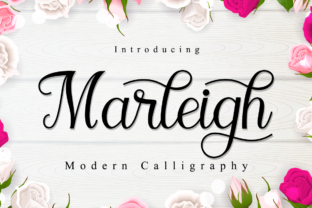
Choosing a font is more than a stylistic decision; it’s a communication strategy. The right typography can shape perception, guide attention, and reinforce your core message. In a digital landscape saturated with rigid, geometric typefaces, Marleigh presents a powerful and often overlooked strategic tool. This cute and casual handwritten font, with its incredibly friendly feel and gorgeous swashes, offers a direct pathway to human connection and artistic authenticity in your projects.
Why Marleigh Is a Strategic Asset
At first glance, Marleigh might be categorized simply as a beautiful script. But its strategic value lies in its ability to perform specific, high-impact functions. Unlike many decorative fonts that are difficult to read or use at length, Marleigh maintains clarity while delivering immense emotional payload. Its versatility, driven by those carefully crafted ligatures and swashes, allows it to adapt from a prominent headline to a delicate accent. This makes it uniquely useful for professionals who need to balance personality with professionalism.
The font’s “friendly feel” is not an accidental trait. It is a designed characteristic that can be leveraged intentionally. For entrepreneurs and marketers, this warmth can lower barriers, making a brand feel approachable and trustworthy. For educators and bloggers, it can make dense information feel more personal and engaging. This is a font that doesn’t just look good; it performs a psychological role, facilitating a softer, more receptive mode of communication with your audience.
Planning Your Use of Marleigh for Better Outcomes
Introducing Marleigh into your workflow should be a deliberate choice, not a default setting. The key to its effective use is context and restraint. Begin by defining the goal of the specific piece you’re designing. Is it to evoke nostalgia, inspire creativity, or simply add a touch of handmade elegance to a formal announcement? Marleigh will serve each of these goals differently.
- For Branding & Positioning: Use Marleigh as a secondary or accent font within a larger brand system. It can beautifully render taglines, quotes on website hero sections, or the handwritten signature in a logo lockup. This gives a brand a human touch without sacrificing the structural clarity of a primary sans-serif or serif font.
- For Customer Experience & Communication: Consider deploying Marleigh in personalized email headers, special offer announcements, or thank-you notes within your product packaging. This direct application makes the customer feel individually acknowledged, enhancing loyalty and perceived care.
- For Creativity & Productivity in Projects: For creators and hobbyists, using Marleigh as your go-to font for Instagram quotes, DIY project instructions, or presentation titles can streamline the creative process. Having a reliably beautiful tool at your disposal reduces time spent searching for the “right look” and increases focus on the content itself.
Key Considerations Before Implementation
Before relying on Marleigh, a few practical checks will ensure your results are professional and effective. First, assess legibility at various sizes. Its swashes are gorgeous, but may become indistinct at very small point sizes. Always test on the intended medium. Second, consider contrast. Marleigh thrives when paired with a simple, contrasting typeface for body text. This pairing creates visual hierarchy and prevents the overall design from feeling overly informal or cluttered.
Finally, audit your use for consistency. If you decide Marleigh is your font for social media quotes, use it consistently for that purpose across platforms. This intentional repetition turns a stylistic choice into a recognizable part of your visual language, building subconscious association with your brand.
The Risks of Uncontextual Use
The primary risk of using Marleigh without clear goals is dissonance. A font that conveys casual friendliness and artisanal craft will actively undermine a message that is intended to be authoritative, technical, or somber. Imagine a financial report or a legal disclaimer set in Marleigh; the mismatch would confuse the reader and damage credibility.
Another common pitfall is overuse. Because the font is so visually appealing, it’s tempting to set entire paragraphs or long documents with it. This can lead to fatigue, reducing readability and diluting the special impact it should have as an accent. Strategic use means knowing when not to use it. Reserve Marleigh for moments that require emphasis, personal touch, or artistic flair.
Turning Ideas into Art with Intentionality
The promise that Marleigh will “turn any idea into a true piece of art” is most fully realized when the user approaches it with an artist’s mindset. This means thinking about composition, balance, and emotional intent. For a wedding invitation, Marleigh can transform standard text into a keepsake. For a local bakery’s menu board, it can evoke homemade warmth. For a motivational ebook cover, it can suggest personal insight rather than corporate advice.
Your approach should be thoughtful: select specific words or lines to highlight with the font’s swashes. Use ligatures where they naturally improve the flow of the letterforms. This active engagement with the font’s features moves beyond simply applying a style to actively co-creating with the tool. This level of intentionality is what separates professional, results-oriented design from random decoration.
Long-Term Value in Your Creative Toolkit
Investing in a versatile, high-quality font like Marleigh is an investment in long-term creative efficiency and brand development. Once you understand its strategic applications, it becomes a reliable asset you can deploy across projects for years. It scales from personal hobby projects to professional client work, maintaining its integrity and effect.
For freelancers and small business owners, this means one tool that serves multiple roles—branding, marketing, and direct communication—which simplifies operations and creates a cohesive visual identity. For decision-makers, approving the use of such a font is not just an aesthetic choice; it’s a choice to equip your team with a resource that can enhance emotional engagement across customer touchpoints, potentially influencing satisfaction and long-term results.
In essence, Marleigh is more than a cute font. It is a strategic instrument for humanizing digital communication. By planning its use around clear goals, respecting its context, and engaging with its features intentionally, you harness its friendly feel not as a fleeting trend, but as a sustained advantage in how you connect, communicate, and create.